
Guanciale: The Secret Ingredient Behind Italy’s Most Luxurious Simple Dishes
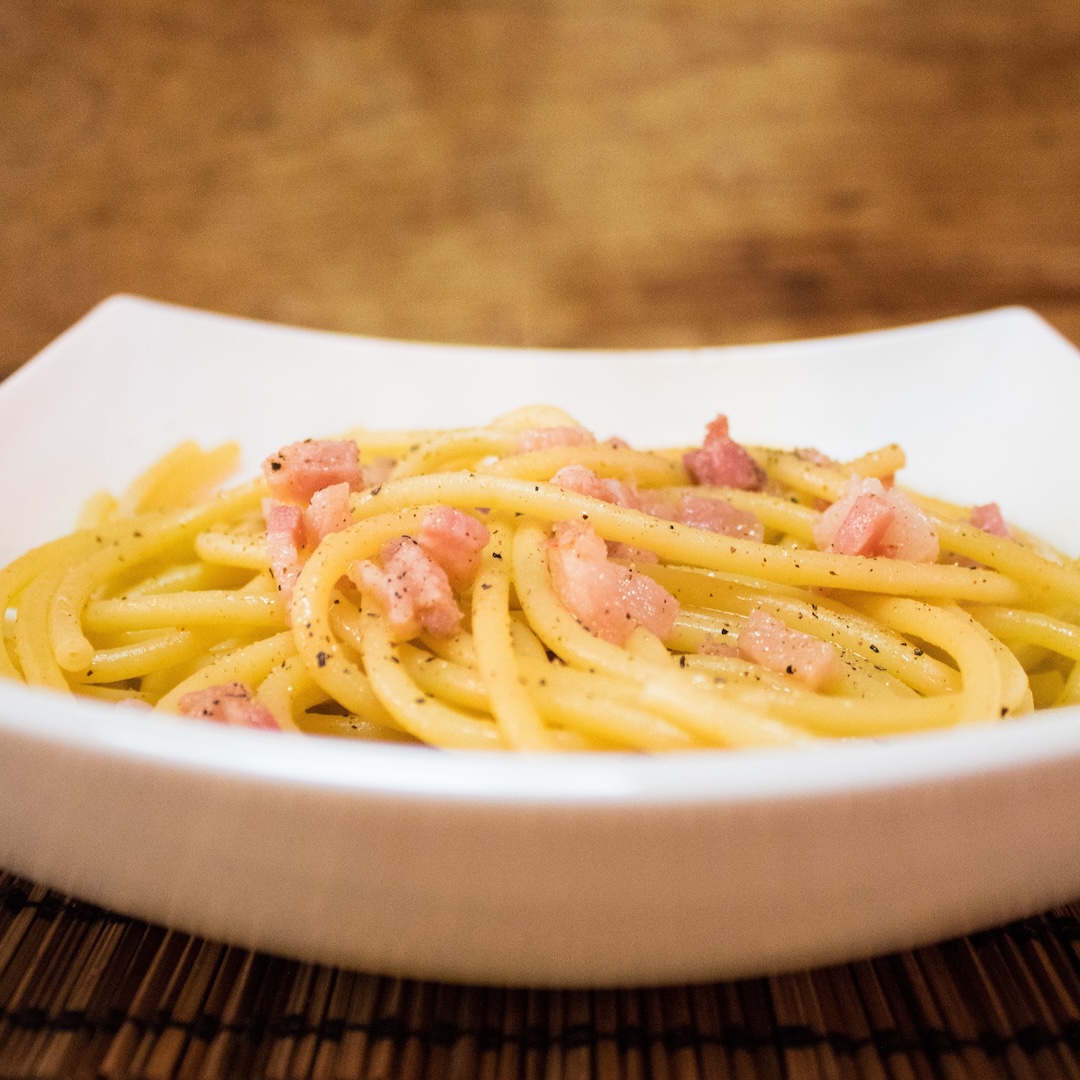
If you’ve ever had a truly great carbonara in Rome—or even at a top-tier Italian restaurant—you may have noticed something: the dish tastes richer, silkier, and deeper than expected from such a short ingredient list. The secret is often guanciale.
For many American cooks, guanciale is still a bit of a mystery. It’s not as common as bacon or pancetta, and it can be harder to find. But once you understand what it is, how it tastes, and how it’s used, it quickly becomes clear why chefs and food lovers go out of their way to seek it out.
What Is Guanciale?
Guanciale is a traditional Italian cured meat made from pork cheek, also known as jowl. Unlike bacon (which is usually smoked) or pancetta (made from pork belly), guanciale is air-cured with salt and spices—often black pepper and herbs—over several weeks.
The result is a cut that is notably high in fat, with streaks of meat running through it. That fat is the defining feature: it’s what gives guanciale its signature texture and flavor.
How It Tastes
Guanciale is intensely savory, but in a refined way. It has a deep pork flavor, a subtle natural sweetness, and a richness that lingers. When cooked, it becomes something even more special.
As it heats, the fat slowly renders, turning into a glossy, flavorful base. The meat itself crisps at the edges while remaining tender inside. The overall effect is a combination of silky, crispy, and melt-in-your-mouth textures all at once.
Compared to pancetta, guanciale is more robust and complex. Compared to bacon, it’s less smoky and more purely “pork-forward.”
Why People Love It
Part of guanciale’s appeal is how much it does with so little. In many Italian recipes, there are only a handful of ingredients, and guanciale carries much of the flavor.
It also hits a powerful sensory combination: fat, salt, and umami. That trio creates a sense of richness and satisfaction that feels indulgent without being heavy when used correctly.
There’s also an element of tradition. Guanciale is a cornerstone of Roman cuisine, and for many cooks, using it is about more than taste—it’s about authenticity and connection to culinary heritage.
When and How It’s Used
Guanciale is most commonly used in classic pasta dishes where simplicity is key. Instead of layering many ingredients, the approach is to let each one shine.
The typical method is straightforward but crucial:
- Cut the guanciale into strips or small cubes
- Start it in a cold pan and heat gently
- Allow the fat to render slowly
- Use that rendered fat as the base for the dish
That rendered fat becomes the cooking medium and the flavor foundation. Pasta, eggs, cheese, or tomatoes are then added and tossed through it, creating a cohesive, deeply flavored dish.
Outside of pasta, guanciale is also used in eggs, roasted vegetables, and even as a topping for flatbreads or pizzas.
Guanciale vs. Pancetta
While the two are often compared, they serve slightly different roles.
Guanciale is made from pork cheek and contains more fat. It produces a richer, silkier result and often defines the dish it’s used in. Pancetta, made from pork belly, is milder and firmer, contributing flavor without dominating.
In practical terms, pancetta is easier to find and usually less expensive, making it a common substitute. But when guanciale is used, the difference is noticeable—especially in simple recipes.
Price and Availability
In the United States, guanciale typically costs more than pancetta. This is largely due to availability. Pancetta is widely produced and stocked in supermarkets, while guanciale is more specialized and often made by smaller producers.
You can expect guanciale to run roughly 20–50% higher in price per pound, depending on the source. Interestingly, in Italy the situation can be reversed, where guanciale is sometimes more affordable due to local production and familiarity.
U.S. Producers
Although it’s an Italian specialty, guanciale is now made by a growing number of American producers. Artisan charcuterie companies across the country produce their own versions using traditional curing methods and, in some cases, heritage-breed pork.
Quality can vary, but top-tier domestic guanciale can rival imported versions, especially when care is taken with the fat content and curing process.
What to Look for When Buying
Because guanciale is so simple, quality matters.
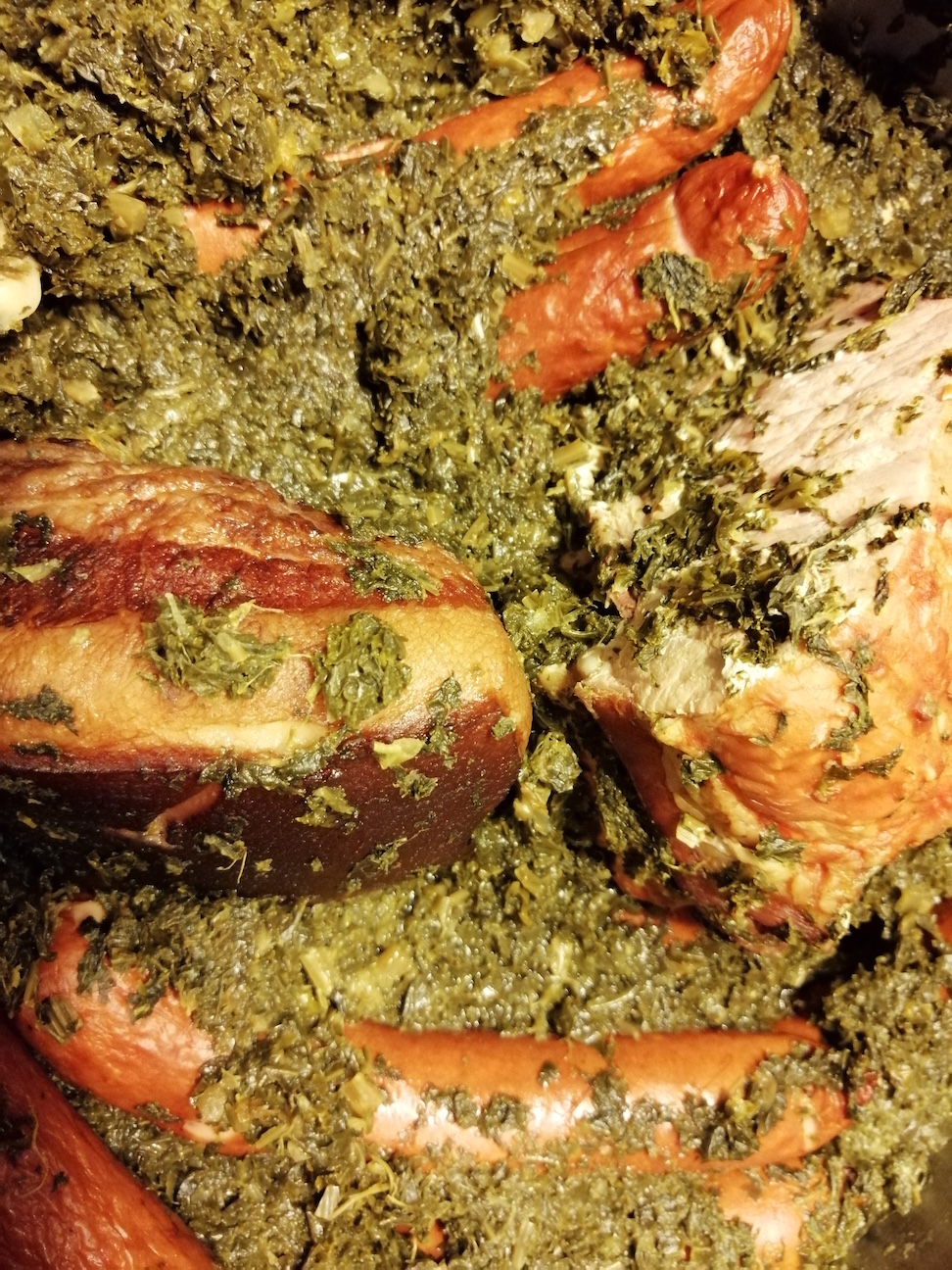
The most important factor is the fat. It should look creamy and firm, not greasy or yellowed. A good piece will have a balance of fat and meat, rather than being entirely white.
The ingredient list should be short—ideally just pork, salt, and spices. The texture should be firm but not hard, and the aroma should be clean and slightly sweet, not sour or overly sharp.
Avoid pieces that look dull, feel slimy, or sit in excess liquid in the packaging.
Two Classic Ways to Use It
1. Carbonara
Guanciale is rendered and combined with pasta, eggs, cheese, and black pepper to create a silky, emulsified sauce. There’s no cream involved—the richness comes entirely from the guanciale and eggs.
2. Amatriciana
Here, guanciale forms the base of a tomato sauce. Its fat enriches the tomatoes, creating a balance of bright acidity and savory depth, often finished with Pecorino cheese.
Both dishes demonstrate the same principle: start with guanciale, render the fat, and build everything else on top of it.
Getting to the Meat of It
Guanciale isn’t just another cured meat—it’s a flavor engine. It transforms simple ingredients into something layered and luxurious, often with very little effort.
Once you’ve cooked with it, especially in a well-made carbonara or tomato-based pasta, it becomes clear why so many cooks consider it indispensable. It’s not just about tradition or authenticity—it’s about what it does on the plate.
And what it does is hard to replicate with anything else.

RECIPE: Pasta alla Carbonara (Roman classic)
Why this one
This is the purest expression of guanciale—its rendered fat becomes the sauce.
Ingredients (serves 2–3)
- 6 oz guanciale (cut into small strips)
- 8 oz pasta (spaghetti or rigatoni)
- 2 large eggs + 1 egg yolk
- 1 cup finely grated Pecorino Romano
- Freshly ground black pepper
How to make it
1. Render the guanciale
- Start in a cold pan, medium heat
- Cook until fat melts and pieces are golden-crispy
- Turn off heat and set aside
2. Cook pasta
- Boil in salted water until al dente
- Reserve ~1 cup pasta water
3. Make the egg mixture
- Whisk eggs + cheese + lots of black pepper
4. Combine (critical step)
- Add hot pasta to the guanciale pan
- Toss to coat in fat
- Remove from heat
- Add egg mixture + splash of pasta water
- Toss quickly until creamy (not scrambled)
Result
- Silky, glossy sauce
- Crispy + tender guanciale bites
- Deep, peppery richness
No cream. The guanciale fat is the sauce.
RECIPE: Pasta all’Amatriciana (tomato + guanciale)
Why this one
Shows how guanciale transforms a simple tomato sauce into something bold and savory.
Ingredients (serves 2–3)
- 6 oz guanciale (thick strips)
- 8 oz pasta (bucatini preferred)
- 1 cup crushed tomatoes (or San Marzano)
- ½ cup grated Pecorino Romano
- Pinch chili flakes (optional)
- Black pepper
How to make it
1. Render guanciale
- Same method: cold pan → medium heat
- Cook until fat is released and meat is lightly crisp
2. Build the sauce
- Add chili flakes (optional)
- Pour in tomatoes
- Simmer 10–15 minutes in the guanciale fat
3. Cook pasta
- Boil until al dente, reserve pasta water
4. Combine
- Toss pasta into sauce
- Add a splash of pasta water if needed
- Finish with Pecorino
Result
- Bright tomato balanced by rich pork fat
- Slightly spicy, deeply savory
- More robust than carbonara

