
Beauty Choices and Cosmetic Surgery: What Five Influencer Stories Reveal
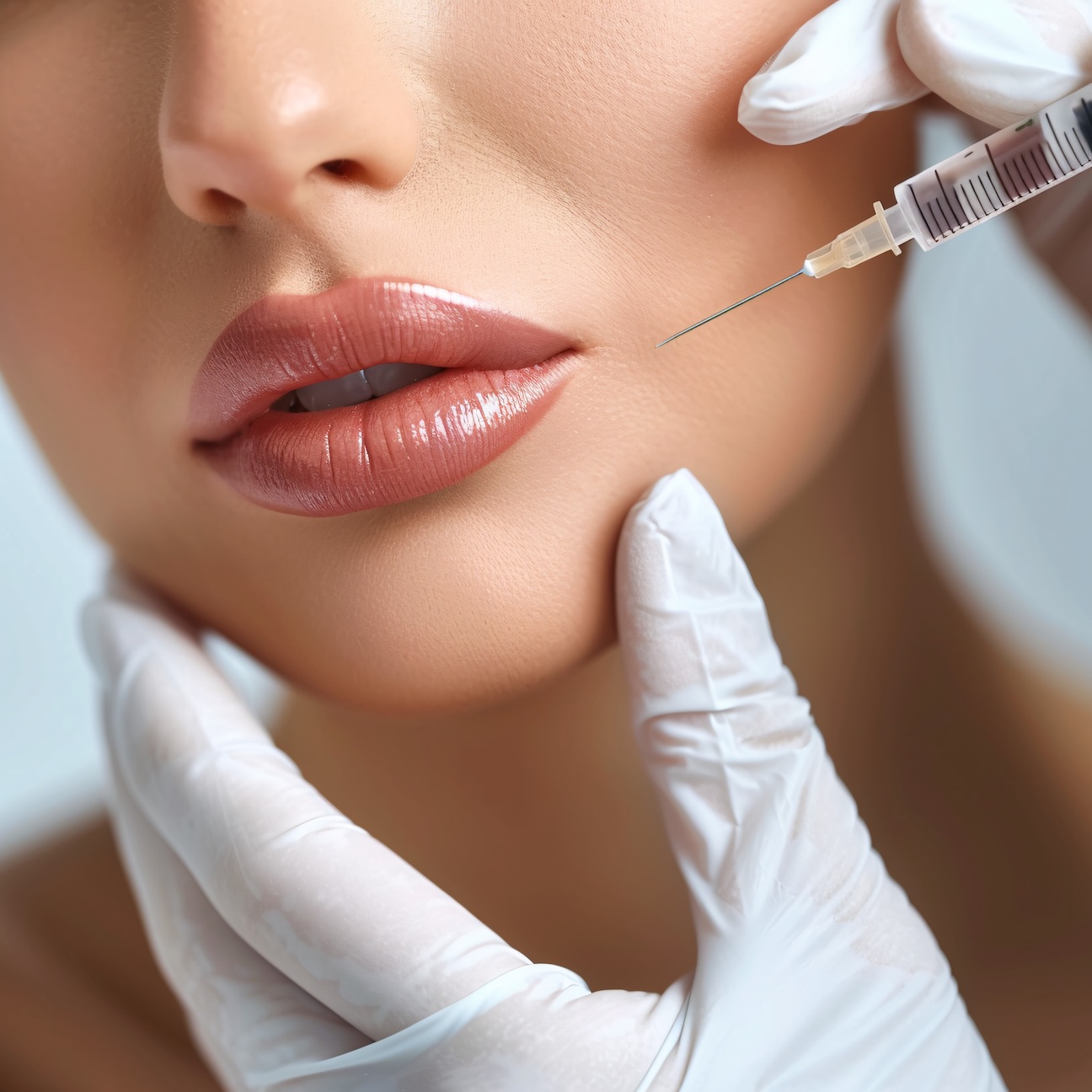
Five recent influencer cases highlight the risks, questions and safety considerations surrounding cosmetic procedures — and what consumers should know before making their own choices.
Cosmetic procedures have become increasingly familiar in the social-media era. A creator disappears from view for a few days, shares a recovery update, then returns with a reveal.
What rarely makes it into the post are the less glamorous parts: preoperative testing, anesthesia monitoring, blood-clot prevention, the possibility of infection, and the question of what happens if something suddenly goes wrong. That matters because even procedures marketed as routine or minimally invasive are still medical procedures.
A series of recent deaths involving social-media personalities has put renewed attention on that fact. The five cases are not identical, and in several of them investigators have not yet determined whether the cosmetic procedure itself caused the death. Taken together however they raise important questions about elective surgery, injectables, postoperative care and how carefully patients should evaluate both the procedure and the people performing it.
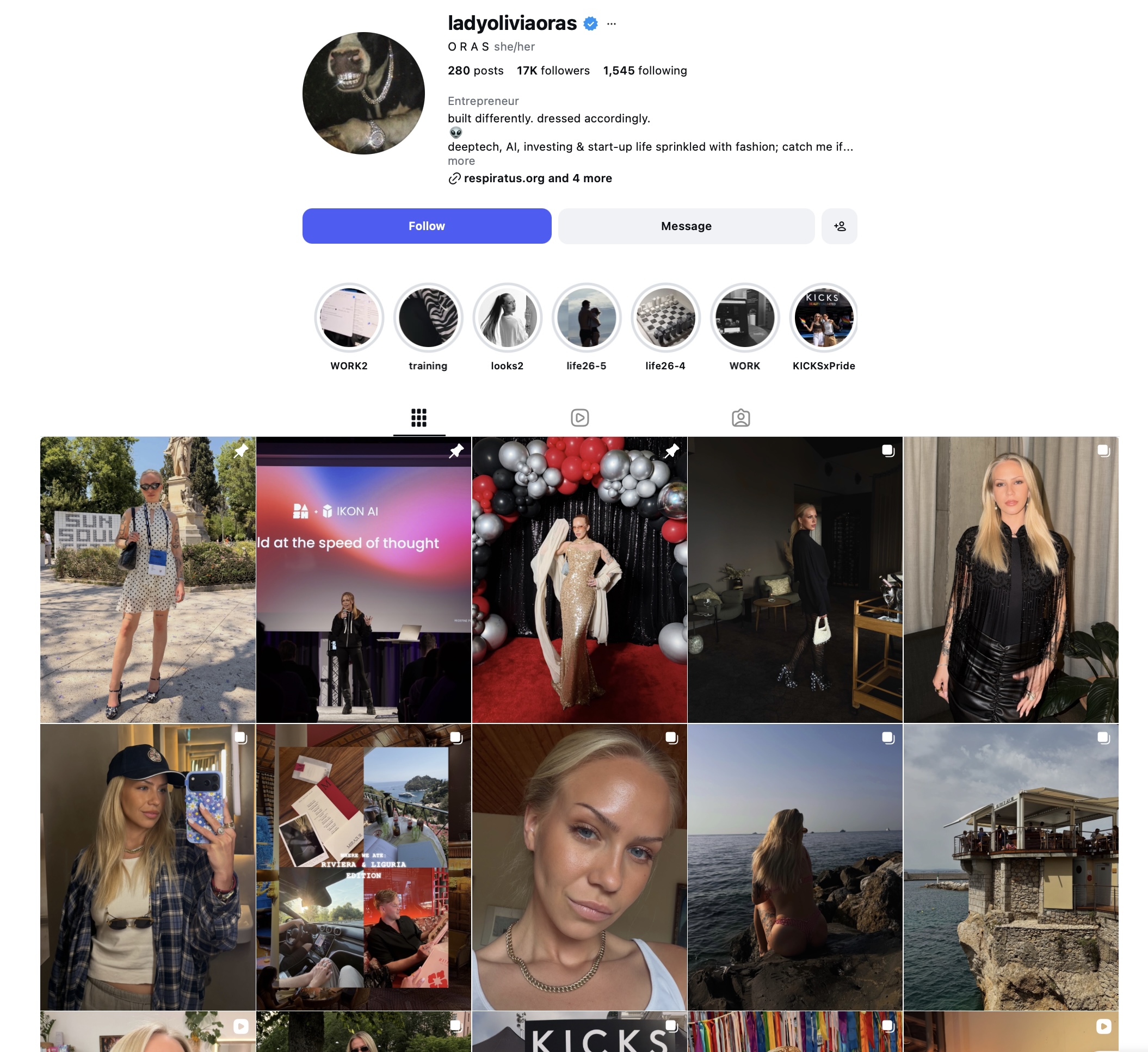
The public Instagram profile of Finnish influencer Olivia Oras, who had built a following around fashion, entrepreneurship and lifestyle content. Screenshot: Instagram/@ladyoliviaoras
Olivia Oras: A Medical Emergency Before the Procedure
Finnish influencer Olivia Oras was 27 when she died on September 3, 2026. Oras had been part of Finland’s social-media culture since her teens and later reached a broader audience through the documentary The Perfect Selfie, which examined her life as an influencer and some of the pressures surrounding an image-driven online career. She later became involved in business and philanthropic activities as well.
According to reporting by Finnish public broadcaster Yle’s investigative program MOT, Oras went to a private clinic in Helsinki for liposuction.
The medical emergency apparently occurred before the liposuction itself began. Oras reportedly lost consciousness while receiving anesthesia or sedation in preparation for the procedure. She was transported to Helsinki University Hospital and subsequently died.
Helsinki police opened an investigation into the circumstances surrounding her death. Authorities have not publicly established the precise physiological cause or determined that medical malpractice occurred. For that reason, it would be inaccurate to describe Oras’s death as a confirmed anesthesia overdose, surgical mistake or other specific medical failure unless investigators eventually make such a finding. Her case has nevertheless contributed to renewed discussion in Finland about patient safety and regulation in the cosmetic-treatment industry.
Igho “Tiny” Ubiribo: A Fatal Filler Procedure
The circumstances surrounding the death of British-Nigerian businessman and lifestyle creator Igho “Tiny” Ubiribo, 43, are more clearly established. Ubiribo had built a substantial social-media following — reportedly more than 180,000 Instagram followers — around travel, business, luxury and an affluent international lifestyle.
During a March 2026 trip to Bangkok, Ubiribo underwent a penile-enhancement procedure involving injections of hyaluronic-acid filler. After the procedure, Ubiribo developed chest pain, collapsed and later died despite prolonged attempts at resuscitation.
A British coroner’s investigation concluded that he died from a pulmonary embolism associated with material introduced during the filler procedure. Thai health authorities also investigated whether the clinic involved had complied with appropriate professional standards.
The case highlights one of the less obvious issues surrounding cosmetic fillers: a familiar product may still be used in ways that are not officially approved. In the United States, the Food and Drug Administration approves dermal fillers for specific products and specific anatomical uses. Penile enlargement is not an FDA-approved indication for dermal fillers.
The FDA has also warned that filler injected into a blood vessel can cause serious complications, including blocked blood flow, tissue damage, stroke and, in rare circumstances, death.
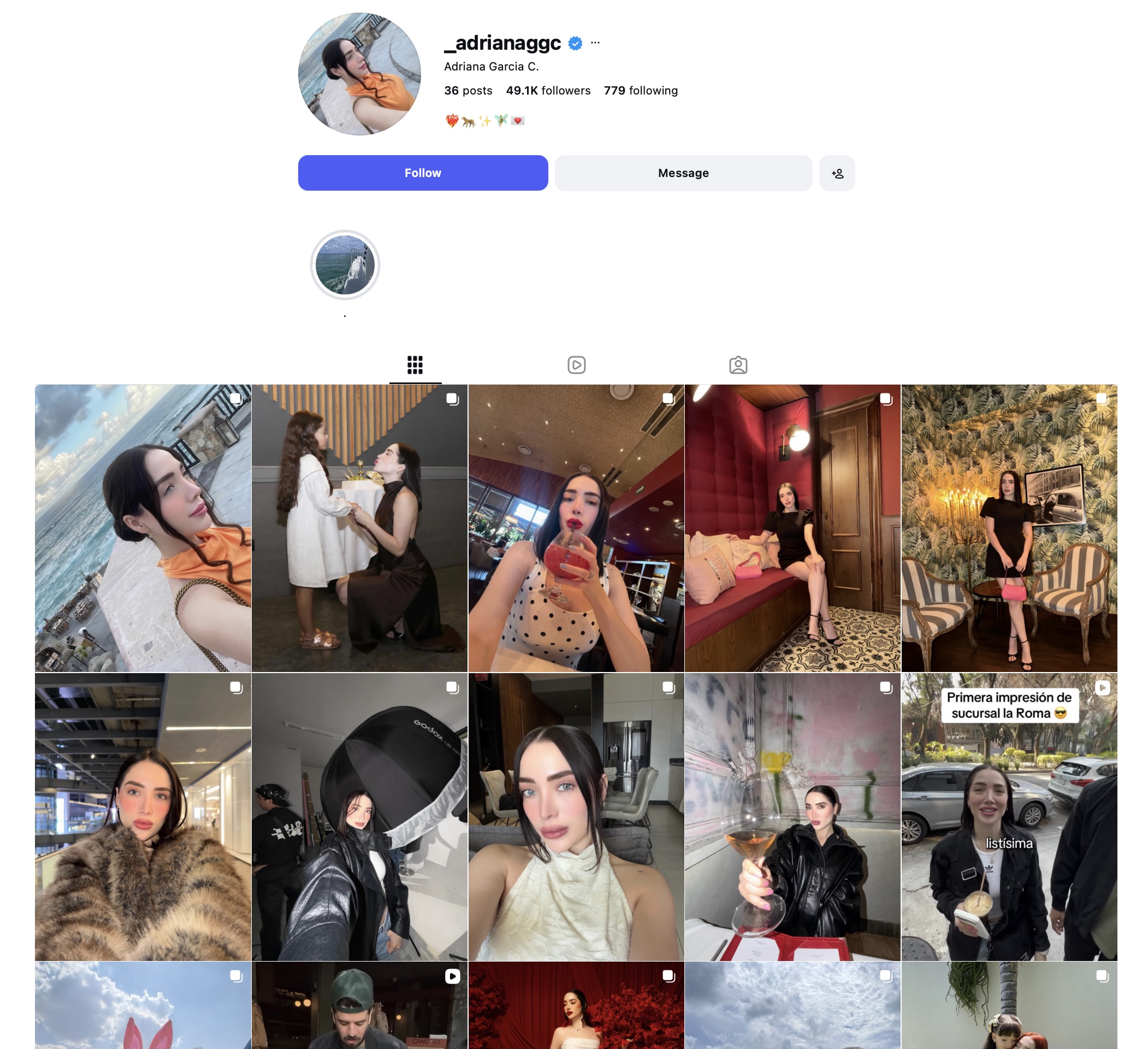
The public Instagram profile of Mexican beauty and lifestyle creator Adriana García. Screenshot: Instagram/@_adrianaggc
Adriana García: Questions Still Unanswered
Mexican lifestyle and beauty creator Adriana García, 30, had developed a sizable audience across Instagram and TikTok. Her content mixed fashion, beauty, travel and personality-driven lifestyle material, and she was also associated with the Culiacán retailer Drop Shop.
Adriana’s death was announced in July 2026. Reports soon circulated in Mexico suggesting that García had died during or following a cosmetic procedure at a private clinic.
But an official cause of death publicly establishing that a cosmetic procedure caused her death has not been released. The exact procedure reportedly connected with her death has also not been reliably identified in public reporting.
García had previously discussed undergoing rhinoplasty, but that does not establish what procedure, if any, was involved in her death. Until authorities release additional findings, the most accurate description is that her death was reported in connection with a cosmetic procedure, rather than conclusively shown to have been caused by one.
Marta Kelly: Several Procedures, Then a Medical Crisis
Brazilian lifestyle creator Marta Kelly de Oliveira Silva, 33, shared family life and motherhood with a large social-media audience. She and her husband, Marcus Vinicius, had been together for approximately 15 years and were raising three young sons.
In August 2026, Kelly entered a hospital for a combination of cosmetic procedures. Brazilian reporting has identified procedures including abdominoplasty, liposuction and breast augmentation, with some reports describing additional aesthetic work during the same surgical session. The operation reportedly lasted about six hours.
Kelly was discharged, later became ill at home and was readmitted to the hospital. Her condition deteriorated and she subsequently died. Brazilian reporting has said her death certificate cited severe circulatory failure and generalized infection, or sepsis, of undetermined origin. Medical authorities have been reviewing the case, and no final public finding assigning negligence or responsibility has been announced.
Her death also puts attention on an increasingly common part of cosmetic medicine: combining several procedures into one operation. There can be good reasons for doing that. One operation can mean one period of anesthesia and one recovery period.
But longer surgical times and multiple simultaneous procedures can also increase certain risks, which is why patients should ask whether staging procedures separately might be safer in their particular situation.
Bianca Dias: A Pulmonary Embolism During Recovery
Brazilian model and lifestyle influencer Bianca Dias was 27 when she died in February 2026. Dias had tens of thousands of Instagram followers and shared fashion, travel, modeling and lifestyle content. She was also the mother of two daughters.
Bianca had reportedly undergone cosmetic surgery approximately three weeks before her death and was recovering at home when she suddenly became ill. Her family said Dias suffered a pulmonary embolism, a blockage of an artery in the lungs, most commonly caused by a blood clot.
Brazilian reporting later cited forensic findings identifying pulmonary embolism as her cause of death. Public reporting has not reliably established exactly which cosmetic procedure Dias underwent, so it would be misleading to assign her death to one particular operation.
What is known is that blood clots are a recognized potential complication following major surgery. Procedures such as abdominoplasty and significant body contouring can carry risks including deep-vein thrombosis, pulmonary embolism, bleeding, infection and anesthesia complications.
Cosmetic Surgery Is Still Medicine
It is easy to look at these stories through the lens of influencer culture.
Social media rewards youth, beauty, dramatic transformations and seemingly effortless results. Filters, before-and-after photos and cosmetic-treatment content have made aesthetic procedures much more visible than they were even a decade ago.
But it would be unfair to assume that these five people underwent procedures because of social-media pressure unless they said so themselves. People choose cosmetic treatments for many reasons, most of them personal. The larger point is that elective procedures should not be confused with risk-free procedures.
Most people who undergo cosmetic surgery do not experience catastrophic complications. But rare complications can be devastating when they occur, and because these procedures are elective, patients usually have one significant advantage: time to research before making a decision.
What to Ask Before You Book
A few questions can make a meaningful difference when considering plastic surgery, fillers or another invasive cosmetic treatment.
1. Check the doctor’s actual credentials
Do not rely only on terms such as “cosmetic surgeon,” “aesthetic specialist” or a large social-media following.
In the United States, patients considering plastic surgery can check whether a physician is certified by the American Board of Plastic Surgery. Other countries have their own recognized medical and surgical specialty boards.
The important question is not simply whether a doctor has a certificate, but what that certification actually represents and whether it applies to the procedure being considered.
2. Research the facility as carefully as the surgeon
A beautiful office or luxury clinic does not necessarily mean a properly equipped surgical facility. Ask whether the operating facility is licensed or accredited and whether it is prepared to handle major emergencies such as respiratory arrest, severe allergic reactions, cardiac events or significant bleeding.
3. Ask who is handling the anesthesia
Patients often spend hours researching their surgeon while paying far less attention to who will administer and monitor anesthesia. Ask who will be responsible, what that person’s qualifications are and who will be continuously watching you throughout the procedure.
4. Find out what happens if something goes wrong
Ask where you would be transferred in an emergency.
Does the surgeon have hospital privileges? Which hospital? What emergency equipment is available? Who is reachable after hours if your condition changes? Those are reasonable questions, and a reputable provider should be prepared to answer them.
5. Be cautious about combining procedures
Several procedures during one operation can be convenient, but they also mean a longer surgical session and potentially more demanding recovery. If multiple procedures are being proposed at once, ask whether doing them separately would meaningfully reduce your individual risk.
6. Discuss blood-clot risk specifically
Blood-clot risk is worth discussing directly rather than assuming it has been covered. Previous blood clots, smoking, hormonal medications, obesity, immobility, certain medical conditions and lengthy operations can all affect risk.
Ask what steps will be taken to reduce the possibility of deep-vein thrombosis and pulmonary embolism, and when you should begin moving after surgery.
7. Know what is being injected
For fillers and other injectable treatments, ask for the exact product name and manufacturer. Also ask whether that product is approved for the specific part of the body where it will be used. A product being “FDA approved” does not mean every possible use of that product is approved.
8. Don’t make price the deciding factor
Medical tourism can make cosmetic procedures significantly less expensive. That does not automatically make treatment abroad unsafe; highly qualified physicians practice around the world.
Nonetheless, the full calculation should include medical licensing, facility standards, anesthesia, postoperative supervision, emergency care and what happens if a complication develops after you return home.
9. Pay attention to recovery
Not every complication occurs in the operating room.
Sudden shortness of breath, chest pain, fainting, confusion, blue lips, uncontrolled bleeding, rapidly increasing swelling, severe pain, high fever or a sudden decline after surgery may require immediate emergency medical attention.
If something feels seriously wrong, waiting for a routine follow-up appointment may not be appropriate.
The Part Social Media Doesn’t Show
Cosmetic medicine now sits at an unusual intersection of healthcare, personal choice, consumer business and entertainment. It is also increasingly part of social-media culture, and that can make the process appear deceptively simple.
A quick transformation video does not show the preoperative testing. It does not show an anesthesia professional watching oxygen levels. It does not show clot prevention, emergency planning or the more difficult parts of recovery.
Those details are not likely to go viral, but for anyone considering a procedure, they may be the details that matter most.
Sources include reporting from Yle, CNN Brasil, Record TV/R7, UOL, N+, Infobae and PEOPLE, along with consumer-safety information from the U.S. Food and Drug Administration, American Society of Plastic Surgeons and American Society of Anesthesiologists.
This article is for general consumer-information purposes and is not a substitute for advice from a qualified medical professional.

