
Be Smooth as Gelato: How to Pronounce Italian Foods and Luxury Brands
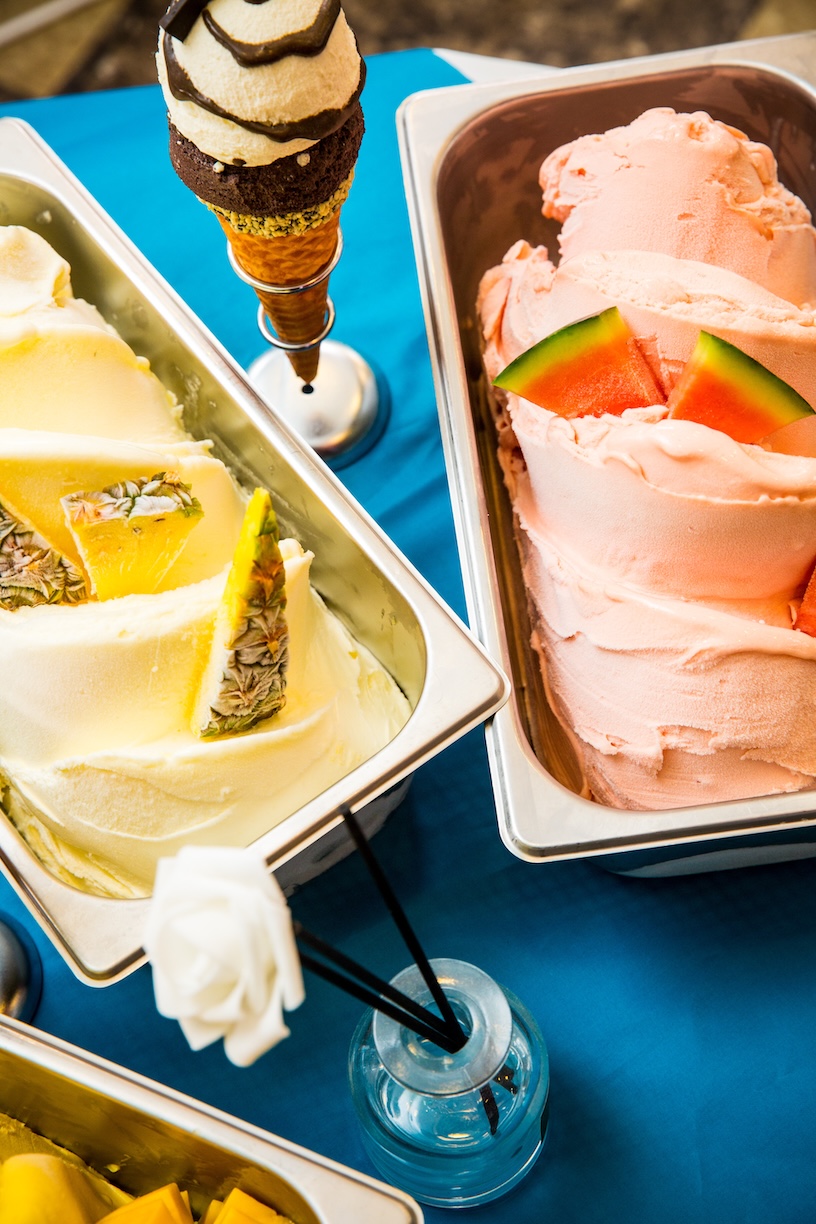
Italian cuisine and luxury brands are everywhere—from restaurant menus to red carpets—yet many of the names we casually say every day are quietly being mispronounced. And not just by tourists. From food lovers to media hosts, even confident speakers often miss the mark on some of the most recognizable Italian words.
That matters more than it seems.
Pronunciation isn’t about perfectionism—it’s about fluency, credibility, and connection. Whether you’re hosting a culinary event, producing a segment, or simply ordering dinner, saying a word correctly signals familiarity with the culture behind it. And in food and luxury—two arenas where Italy sets global standards—that cultural fluency carries weight.
The Mispronunciation Problem
Take a few of the most commonly used (and misused) names:
- Bruschetta is often said “broo-SHEH-tah,” when it should be broo-SKET-tah
- Gnocchi becomes “NOCK-ee,” instead of NYOH-kee
- Parmigiano Reggiano gets flattened into “par-muh-JAN,” losing its rhythm and clarity
- Mozzarella is frequently stretched into “mahtz-uh-REL-uh,” rather than the more precise moht-tsah-REHL-lah
- Versace is famously mispronounced “ver-SAH-chee” instead of ver-SAH-chay
These aren’t obscure terms. They’re staples. Yet they illustrate how easily English phonetics override Italian rules.
The Good News: Italian Is Predictable
Unlike English, Italian pronunciation is remarkably consistent. Once you understand a few key letter combinations, you can unlock hundreds of words instantly—across both cuisine and fashion.
Here are the rules that change everything:
Soft vs. Hard Sounds: The Game Changer
- “ce” and “ci” → soft “ch” sound
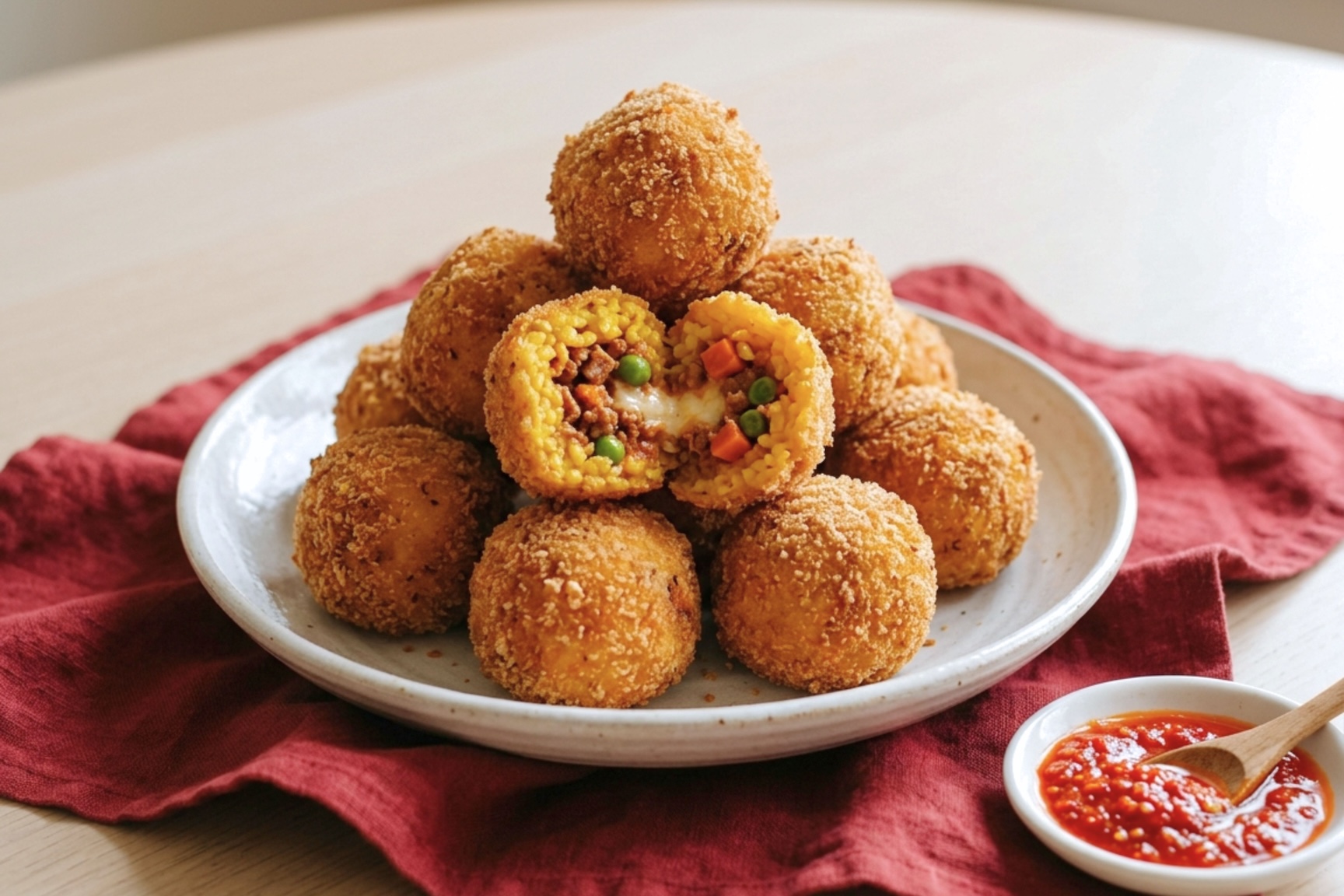
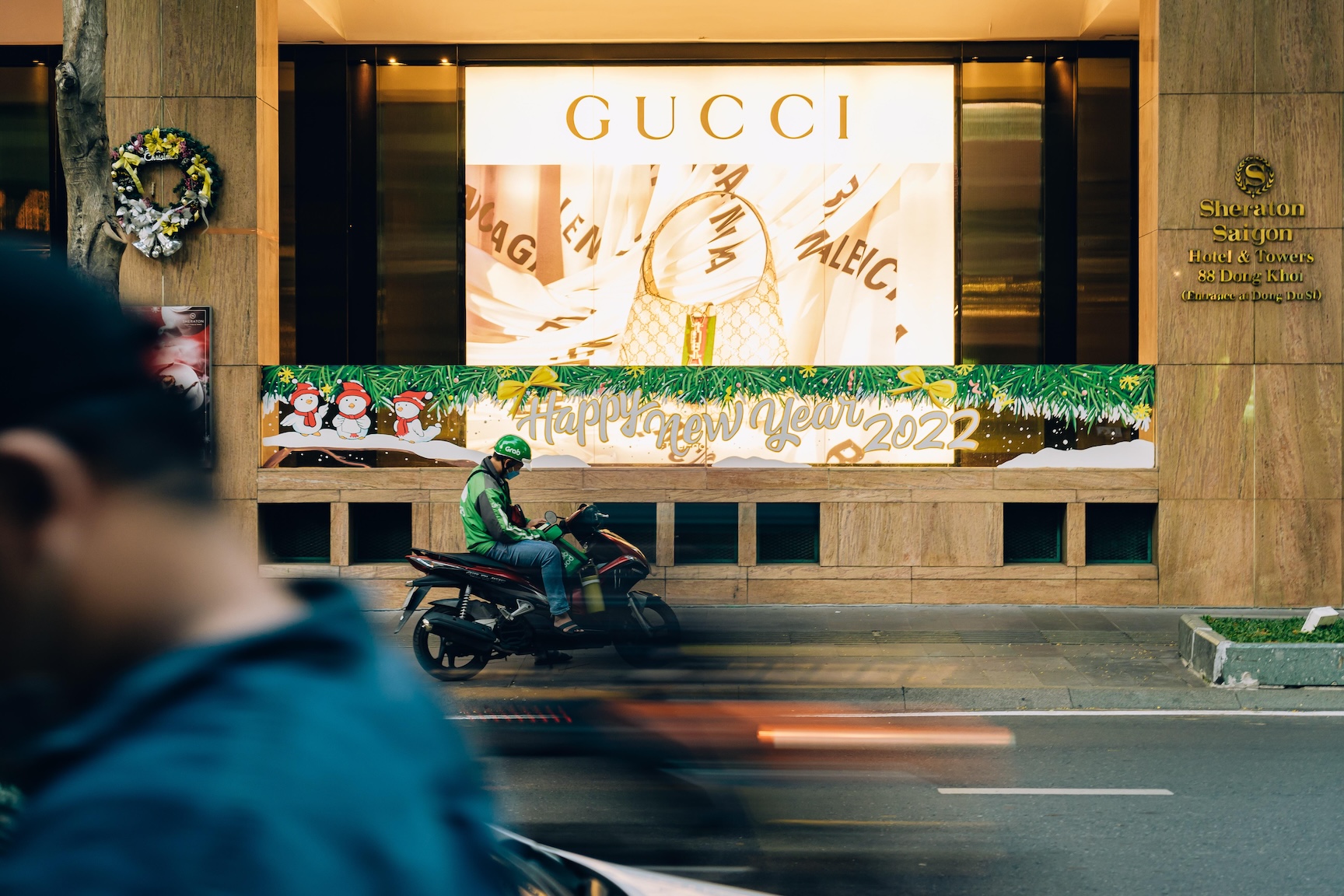
As in Cacio e Pepe, Arancini, Versace and Gucci. Also Cicchetti, Stracciatella and Ricciarelli, “Cosa succede?”
→ CHA-cho, GOO-chee - Add an “h” → hard sound returns for che or chi
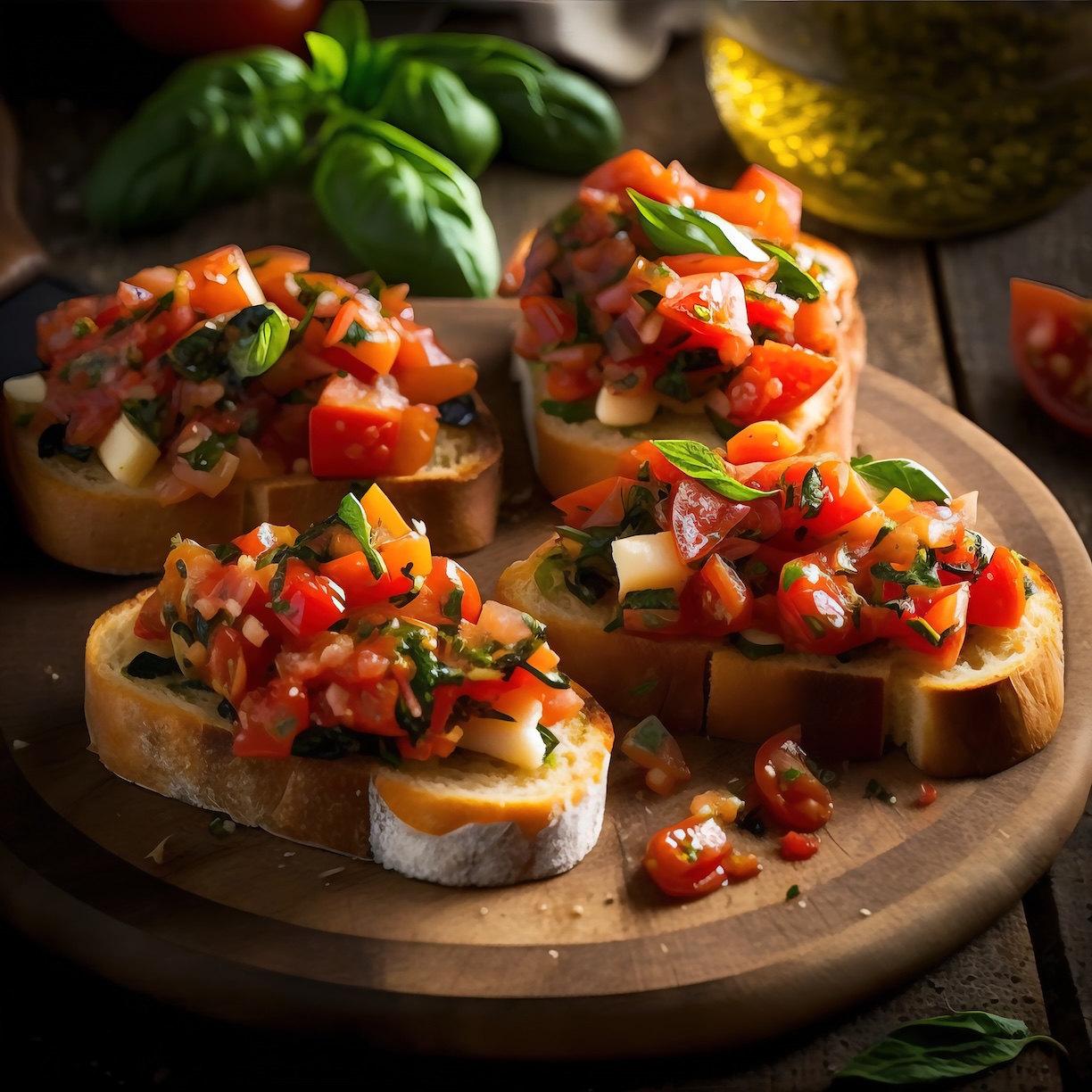
As in Bruschetta, Orecchiette, “Che fico”
→ SK sound, not SH
This single rule explains one of the most common mistakes in Italian food vocabulary.
The “g” Family: From Gelato to Giorgio
- “gi” and “ge” → soft “j” sound
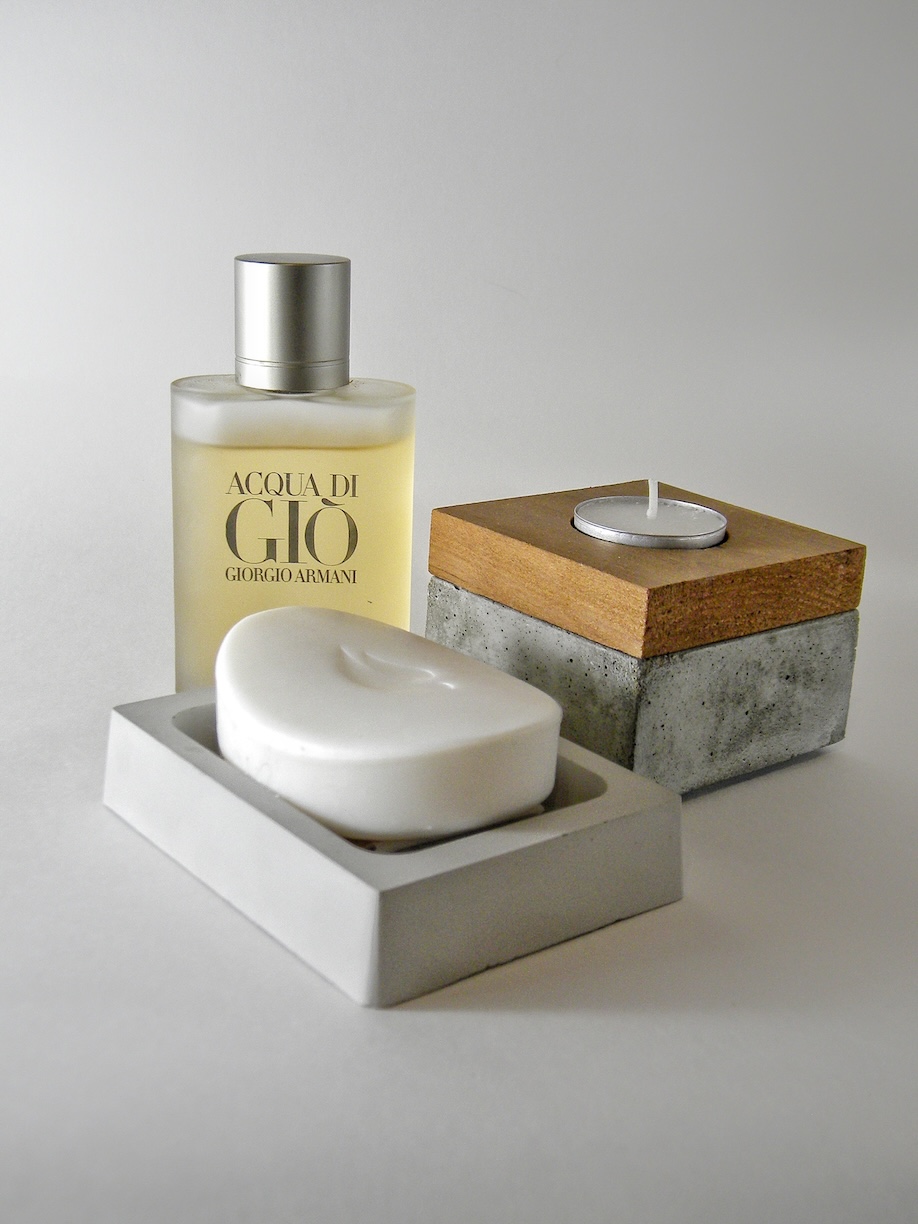
As in Gelato and Giorgio Armani, Giovanni, Parmigiano Reggiano, Ermenegildo Zegna
→ jeh-LAH-toh, jor-jo - Add an “h” → hard “g”
As in Spaghetti, Ghirardelli Chocolate, Ghiacciato
→ spa-GET-tee
gge (double “j”)
Foods:
- Formaggio
- Parmigiano Reggiano
The “z” Factor: Where Things Get Interesting
- “zz” can sound like “ts” or “dz”
As in Pizza (PEET-sa) and Mozzarella (moht-tsah-REHL-lah) - Single “z” varies by word
As in Zegna (DZAYN-ya), Zabaglione, Gorgonzola
This is one area where memorization still plays a role—but even here, patterns emerge with exposure.
Double Consonants: Slow It Down
Italian rewards precision. When you see a double consonant, you hold the sound slightly longer:
- Parmigiano Reggiano
- Formaggio
That subtle pause is part of what gives Italian its musicality—and its distinction.
Why This Matters More Than Ever
In today’s content-driven food and lifestyle landscape—whether on TasteTV, social media, or live events—details define authority. Audiences are more informed, more global, and more attentive to authenticity.
Correct pronunciation does three things immediately:
- Builds credibility with viewers and guests
- Enhances storytelling around dishes and brands
- Signals cultural respect in an increasingly international space
And importantly, it’s low effort with high return. These aren’t complex linguistic hurdles—just a handful of repeatable rules.
QUICK & EASY GUIDE TO PRONOUNCING ITALIAN
Here’s a curated list of well-known Italian food dishes and luxury brands that feature the letter combinations you’re focusing on. I’ve grouped them by combination so you can see the patterns clearly.
ce (soft “ch” /tʃe/)
Foods:
- Cacio e Pepe
- Arancini (plural includes “ci” sound too)
Brands:
- Versace
ci (soft “ch” /tʃi/)
Foods:
- Cicchetti
- Ricciarelli
Brands:
- Gucci
che (hard “k” /ke/)
Foods:
- Bruschetta
- Orecchiette
ghi (hard “g” /gi/)
Foods:
- Spaghetti
- Ghirardelli Chocolate
Brands:
- Ghiacciato (style term)
zz (double /ts/ or /dz/)
Foods:
- Pizza
- Mozzarella
Brands:
- Missoni (doesn’t use zz but often compared stylistically—keeping list grounded in recognition)
z (either /ts/ or /dz/)
Foods:
- Zabaglione
- Gorgonzola
Brands:
- Zegna
gi (soft “j” /dʒi/)
Foods:
- Parmigiano Reggiano
- Stracciatella
Brands:
- Giorgio Armani
ge (soft “j” /dʒe/)
Foods:
- Panzanella (includes similar soft “ge/j” sound in structure)
- Gelato
Brands:
- Ermenegildo Zegna
gge (double “j” /ddʒe/)
Foods:
- Formaggio
- Parmigiano Reggiano

