L.A. Vegan

I’ve lived in the San Francisco area for 6 years. I’ve had my experience with the hippie scene, dined on vegetarian raw food a few times, and I once even ate a “sustainably conscious” meal served on an oak leaf. So why am I still intrigued by vegan cuisine? For 2 reasons: it’s healthy and it’s impressive.

My first professional cooking gig was as a vegan chef, so trust me when I say that tasty vegan cuisine is impressive. Cooking imaginative, satisfying meals without meat, dairy or animal products of any kind (including such an innocent-sounding ingredient as honey) is NOT an easy task. Well-prepared vegan food can be described as creativity at its finest. When a cook is limited in the ingredients that she’s allowed to use, and many classic cooking techniques no longer apply, she’s got to have some innovation up her sleeve, and a calibrated palate to boot.

When I was in Los Angeles this past weekend I sampled a fair share of vegan food, out of a sense of adventure and a desire for some culinary inspiration. I can’t lie – I stumbled upon the first vegan restaurant purely by accident; it was located next to a chocolate shop that I came to see. (There, now that’s my dirty little confession.)

The restaurant was impressively full for 3:30 on a Saturday afternoon. And I was delighted to see that the diners were more than just your stereotypical gaunt hippies teething on leaves of romaine. The vegan diners at this location included healthy-looking women with scripts in their hands (hmm…celebrity spotting?), as well as burly male companions, guys with baseball hats, and what you might call just “regular” people. Even I, who’s lived in California for several years, and who eats vegan occasionally, expected the clientele to be either as thin as a sheet of nori or as mangy as a plate of sprouts. But this clientele included a truly diverse demographic. To my delight, I even saw a table of hipster Gen-X guys chatting it up at the table next to me. Granted, they were eating the mock meatloaf and veggie burritos (the closest menu selections to meat imposters), but they were digging into their food with the gusto of Texans at a BBQ joint.

Over at a nearby banquette, I sat enjoying an order of vegetarian sushi – a roll of brown rice, tempeh, kale and carrots; chilled gazpacho, and a side of wheat-free, whole-grain cornbread with a side of carrot-cashew spread. It was delightful. Loved the flavors, loved the textures. And anyone who claims that vegan cuisine is a close relative to bird food will cast a dubious eye when I say that I was full for the rest of the day. So full, in fact, that I couldn’t find room for dinner later that night.

Later in the weekend I sampled some vegan “salmon” rolls, a barley cookie and, believe it or not, a very impressive dairy-free, fruit juice-sweetened, chocolate-cherry truffle.

Curious about vegan food? Here are 2 Los Angeles restaurants to check out:

RFD 414 N. La Cienega Blvd. www.realfood.com
Leaf Cuisine 11938 W. Washington Blvd. www.leafcuisine.com

Debut of “Lessons from the Food Critics”


TasteTV’s new program, “Lessons from the Food Critics,” debuts today at TasteTV, and in September on Comcast On Demand/TasteTV.

The first episode is Part 1 of our interview with San Francisco Magazine’s Food Editor Jan Newberry.

technorati tags:, , , , ,
, , , ,
Restaurant Reviews,
,

REVIEW FROM XEEP’s: TasteTV – Web Video Done Just Right


A recent review about TasteTV from the blog called Xeep’s Video on the Net: Exploring Movies, TV, and Video on the Web:

“TasteTV: The Indie Food Channel – Web Video Done Just Right

If you would like a taste of what the marriage of web and video should be, you absolutely need to take a look at TasteTV. Finally, a web site that really leverages the value of video on the net. Tired of lame videos on YouTube and Google Video? TasteTV offers video restaurant reviews, wine education, a chocolate channel, cooking videos and more. All of it served up in real style.”

TasteTV: The Indie Food Channel – Web Video Done Just Right


A recent post from the blog called Xeep’s Video on the Net: Exploring Movies, TV, and Video on the Web:

TasteTV: The Indie Food Channel – Web Video Done Just Right

If you would like a taste of what the marriage of web and video should be, you absolutely need to take a look at TasteTV. Finally, a web site that really leverages the value of video on the net. Tired of lame videos on YouTube and Google Video? TasteTV offers video restaurant reviews, wine education, a chocolate channel, cooking videos and more. All of it served up in real style.


This blog from the contributors, producers and culinary correspondents at
TasteTV at TasteTV.com

Chocolate, Unlimited

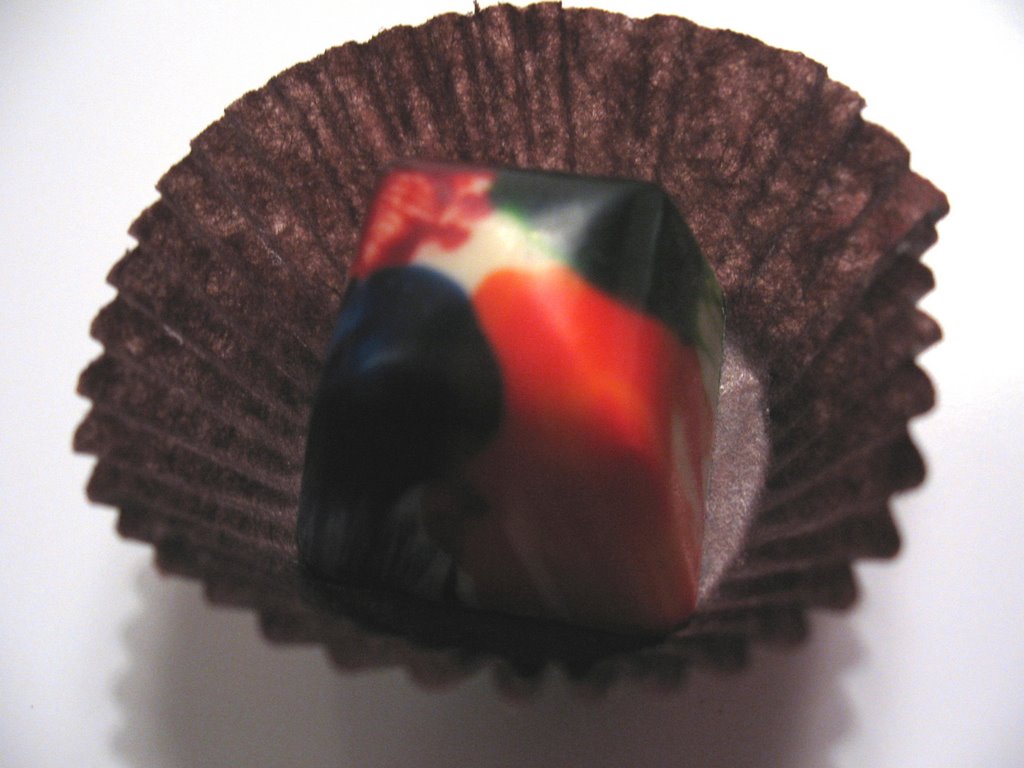
Christopher Elbow’s “Rosemary Caramel”


I was in Citizen Cupcake, the baby sister of Citizen Cake patisserie/restaurant in San Francisco, enjoying a chocolate cupcake with a friend during one of those rare 85-degree days in the city. As we were eating and chatting, the wall at the front of the store caught my eye. It was lined floor to ceiling with chocolate.

Anyone who knows of Elizabeth Falkner, the owner, is well aware of her infatuation with chocolate. Her forthcoming restaurant, Orson, will even feature a chocolate sommelier. Have you ever heard of such a thing? And why aren’t there more of them?? When I went over to check out the wall of chocolate at Citizen Cupcake, I wished I had that sommelier next to me. There was a globetrotting array of chocolates spanning from Belgian chocolate bars to chocolate dipped figs. Mindboggling, really.

Chocolate quality and flavor profiles vary considerably from chocolatier to chocolatier. Some producers really love the ultra bitter qualities of the cocoa bean, while others like to revisit the sweet and mild varieties popularized by American candy bars. There’s a different style for every palate.

Here’s a tip for prospective buyers when you’re confronted with a limitless variety of chocolate before you. Higher end chocolates will list a percentage on their packaging. This refers to the percentage of cocoa liqueur (ground cocoa beans) in a bar of chocolate. The higher the percentage, the more bitter the chocolate will be. For example, a 72% chocolate will be categorized as “dark”, a 40% is “bittersweet”, a 20% is “semisweet” and 12% is “milk chocolate.”

As for white chocolate, there are really only two categories: real and imitation. Real white chocolate will contain cocoa butter as its only fat; imitation white chocolate will not. A lot of confections labeled as “white chocolate” are nothing more than bars made from sugar, milk powder, stabilizers and vanillin (fake vanilla). These imposters can be OK for eating, but don’t ever try and cook with them.

So, how do you decide which chocolate to buy? Taste, taste, taste! Take it from me – it’s the most enjoyable research you will ever do.

Tell when fruit or veggies are ripe for the picking!


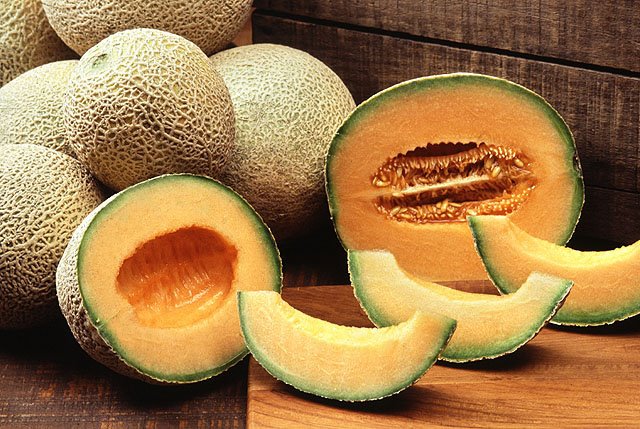
Have you ever bought a fruit or vegetable from the store and hoped it was a juicy or ripe as the display? I do it all the time. Especially with melons. I will be enticed by the sweet aromas and delicate tastes. I go to reach for it and buy them immediately. I get home and cut it up only to find out that it’s underripe. How disappointing. I have heard of myths and suggestions about feeling the fruit and sniffing the roots and pressing here and there, blah blah blah. If you are not a produce manager or farmer you will be just as disappointed as I am, being unable to tell when its perfect.

Well what if I told you that there will be a way for you to know exactly when fruits and veggies are right for the picking, would you say tell me more?

A University of Arizona professor invented a sticker called RediRipe stickers that will tell you if a fruit or vegetable is ripe for the picking. The stickers will be available to growers next year and could end up in our supermarkets within two to three years, said Mark Riley, a UA assistant professor of agricultural and biosystems engineering.
A marker on Riley’s RediRipe stickers can detect a chemical called ethylene gas, which is released by fruit or vegetables as they ripen.

So when they ripen, the sticker turns from white to blue.

The more ethylene gas the fruit produces, the darker the blue, Riley said.

The color shift doesn’t happen immediately once a sticker is attached. It can take anywhere from about 24 to 48 hours, depending on how fast the fruit is ripening, Riley said.

But hold on, there are some kinks still, These stickers do not change color if fruit is overripe or rotten. Also, not all fruit produces enough ethylene to be detected by the sticker, said Jim McFerson, manager of the Washington Tree Fruit Research Commission, a growers’ research group that helped sponsor the research.

“There is still a lot of research to do,” McFerson said.

Each sticker is expected to cost growers and grocers about a penny, Riley said.

There is a patent in process now for the stickers through the UA. Riley said when RediRipe goes to market, the university will keep the patent and the company will license the product.

Research on ethylene’s use in fruit ripening began in the 1940s, and the gas is used to ripen fruits and vegetables in storage.

Riley has done multiple small field tests on his stickers — including at an apple orchard in Willcox — and plans a much larger field test this fall in Washington.

Falan Taylor
Author of Housewife Cuisine
http://housewifecuisine.com

Information provided by,

Source : http://azstarnet.com